


Zephaniah: When God’s Silence Ends
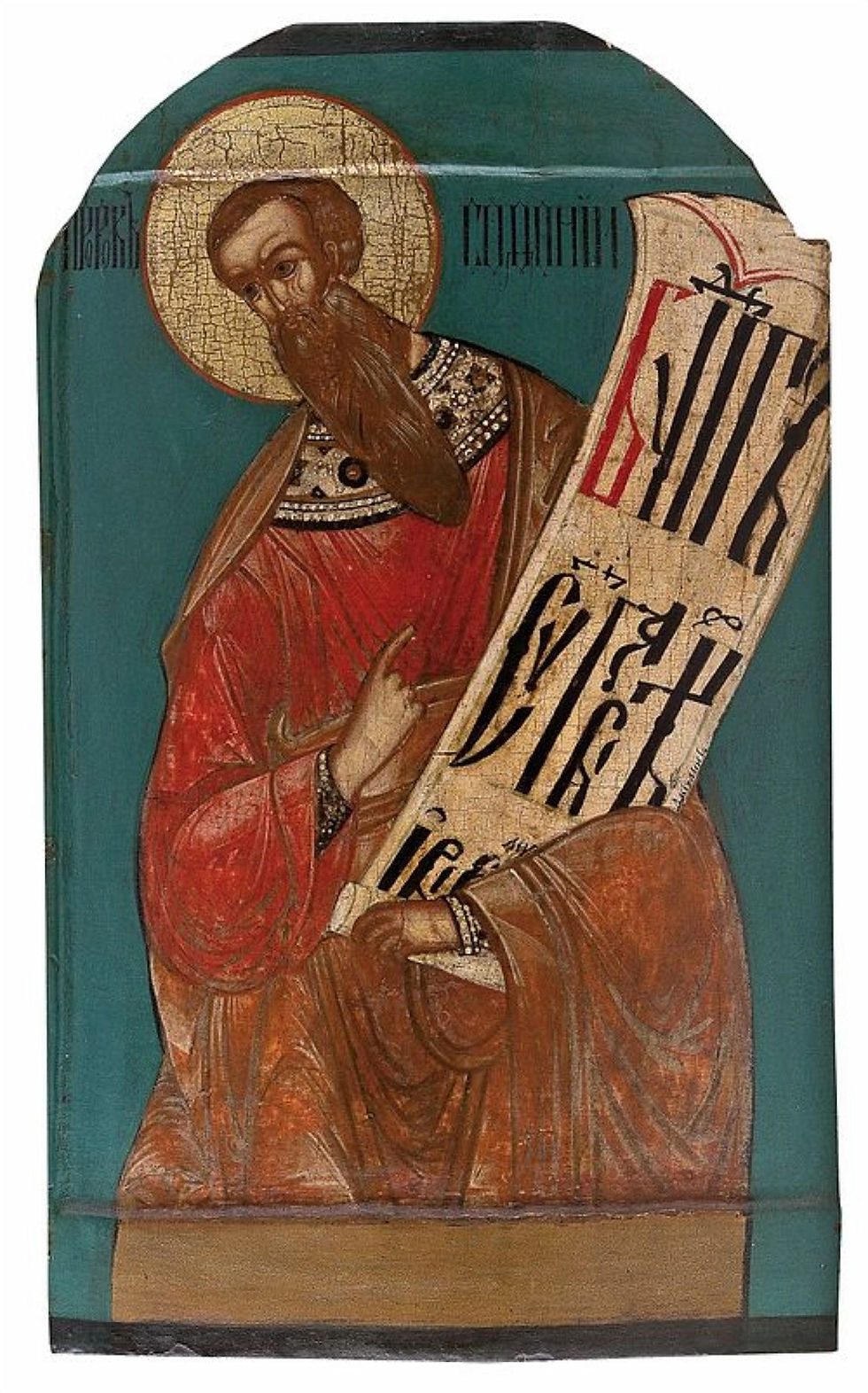
Last week, in Habakkuk, we sat with a prophet who wrestled with God’s ways. He questioned, he waited, and ultimately he learned to trust.
Now we turn to Zephaniah, and the tone changes.
If Habakkuk is the honest question, Zephaniah is the unmistakable answer.
A Different Kind of Silence
Zephaniah opens with a striking command:
“Be silent before the Lord God, for the day of the Lord is near.”
This is not the silence of confusion. This is the silence of reckoning.
God is no longer explaining. He is acting.
Zephaniah prophesied during the reign of King Josiah, a time when religious reform was underway—but the hearts of the people lagged behind.
Outwardly, things looked better. Inwardly, nothing had changed.
And God saw it all.
The Day We Assume Will Never Come
The central theme of Zephaniah is the “Day of the Lord.”
It is described as a day of:
judgment
exposure
reversal
A day when everything hidden comes to light.
What’s striking is not just the warning—but who it is for.
Not just the nations.Not just the openly wicked.
But God’s own people.
Zephaniah confronts a quiet but deadly assumption:
“The Lord will not do good, nor will he do ill.”
In other words: God won’t really act.
This is not atheism. It’s worse.
It’s practical indifference—a life lived as if God is irrelevant.
And Zephaniah declares: That illusion will not hold.
The Sin Beneath the Sin
Zephaniah names many sins—idolatry, injustice, complacency—but underneath them all is a deeper issue:
spiritual numbness.
The people had:
grown comfortable in compromise
blended worship with culture
lost any urgency about God
They were not openly rebelling.
They were simply… settled.
And that, Zephaniah says, is exactly the problem.
We often fear obvious sin. God confronts comfortable sin.
Judgment Is Not the End of the Story
If Zephaniah ended in chapter one, it would be unbearable.
But it doesn’t.
Because the Day of the Lord is not only about judgment—it is also about restoration.
After the shaking comes a promise:
a purified people
a humble remnant
a restored relationship
God says He will leave “a humble and lowly people” who trust in Him.
The proud are removed. The humble remain.
The God Who Rejoices
And then—unexpectedly—the book ends not with wrath, but with joy:
“The Lord your God is in your midst… He will rejoice over you with gladness… He will quiet you by His love.”
This is the same God who judges.
Which means:
Judgment is not His fin\ 9s bot wutgit Kive,
God does not expose sin to destroy His people—He exposes it to restore them.
A Word for Us
Zephaniah speaks with unsettling clarity into our time.
We are not unlike his audience:
spiritually aware, but easily distracted
morally serious, but often compromised
outwardly faithful, inwardly divided
And perhaps most of all:we are tempted to believe that God is not urgently involved.
Zephaniah interrupts that assumption.
He reminds us:
God sees
God cares
God will act
And yet, He is seeking a people who are humble enough to return.
The Invitation Hidden in the Warning
Right in the middle of the book is this quiet invitation:
“Seek the Lord… seek righteousness; seek humility.”
Not after the Day comes.
Before.
Because the goal is not destruction.
The goal is renewal.
Final Reflection on Zephaniah
Habakkuk teaches us how to wait on God.
Zephaniah teaches us how to wake up before it’s too late.
One calls us to trust God’s timing. The other calls us to take God seriously.
And together, they leave us with a question:
Are we listening…or have we grown too comfortable to hear?
Closing Prayer
Lord God, You are not silent because You are absent—You are patient because You are merciful.
Forgive us for the ways we have grown comfortable, for the quiet compromises we excuse, and for the times we have lived as though You were distant.
Search us, as You promised. Shine Your light into the places we would rather keep hidden. Not to condemn us—but to restore us.
Teach us to seek You now, with humility, with sincerity, with urgency.
Give us hearts that are soft, not settled—awake, not indifferent—ready, not resistant.
And in Your mercy, quiet us with Your love.
We ask this in trust and hope.In Jesus name. Amen.
--------------------------


Comments