


Fathers and Adult Children — Abram
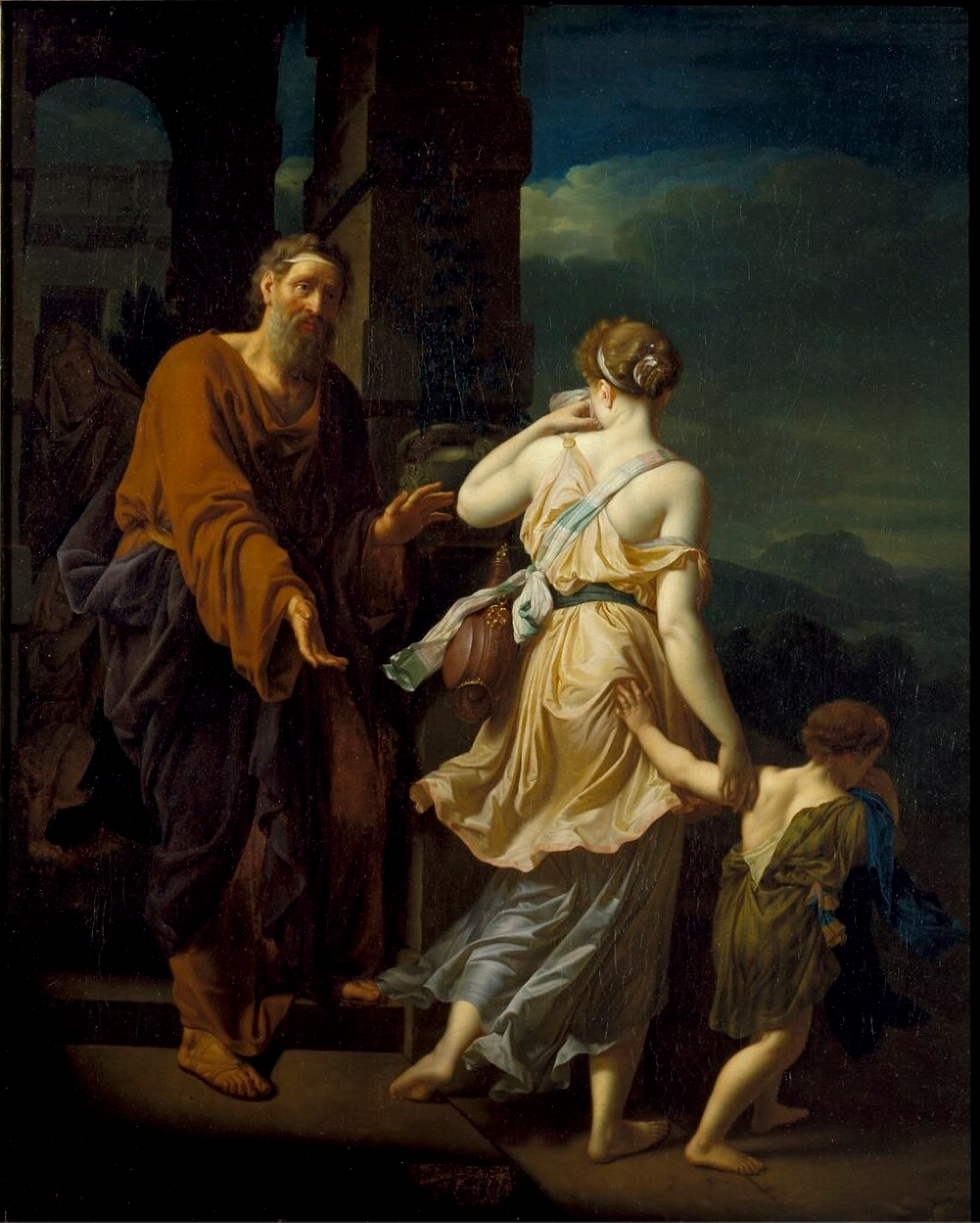
Disowning a son is serious business; a father -son relationship is eternal.
This happened in our family and was an act of cruelty and venom,
God has given the disowned son a loving Surrogate for his hostilefather, as well as this promise.
Psa 27:10 When my father and my mother forsake me, then the LORD will take me up.
Every father needs to memorize this verse: (Eph 6:4) And, ye fathers, provoke not your children to wrath: but bring them up in the nurture and admonition of the Lord.
***********************************
“Now the LORD had said unto Abram, Get thee out of thy country, and from thy kindred… and I will make of thee a great nation.”— Genesis 12:1–2
Abram — later called Abraham — is remembered as the father of the faithful. Yet before he ever became the patriarch of nations, he was a husband, a father, and a man learning how to trust God in the middle of a very real family story.
Abram’s journey speaks deeply to us as fathers of adult children — reminding us that faithfulness, obedience, and trust in God shape the generations that follow us.
1. Abram’s Call — And the Faith That Affects Families
When God called Abram to leave Ur, it was not only Abram who went — his whole household followed. His obedience set the direction of his family.
“So Abram departed, as the LORD had spoken unto him.” — Genesis 12:4
Our decisions as fathers don’t happen in isolation. Our faith — or lack of it — affects our children and our children’s children.
Abram trusted God enough to obey, even when he did not know where God was leading.
Fathers today are called to that same faith: to live in such a way that our children see a God worth trusting.
2. Abram Was Not a Perfect Father — And God Still Worked
Abram’s story is honest. The Bible does not flatter him. He made mistakes — sometimes serious ones.
He moved his household into danger through fear, telling Sarai to say she was his sister. Twice.
He also listened to Sarai’s plan involving Hagar, trying to help God keep His promise in human strength — a decision that produced heartache, jealousy, division, and lifelong tension between Ishmael and Isaac.
Abram was faithful — but he was not flawless.
That honesty should comfort fathers. None of us has raised our children without regrets.
Some of our mistakes were made when they were young, and some when they were already grown. But God did not abandon Abram — and He does not abandon us.
Grace reaches backward as well as forward.
3. Abram and Lot — Letting Adult Children Choose
One of the most moving father-figures in Genesis is Abram’s relationship with his nephew Lot — who functioned almost like a son. When their households grew too large to live together, Abram did something remarkable:
“Is not the whole land before thee? Separate thyself, I pray thee… if thou wilt take the left hand, then I will go to the right.” — Genesis 13:9
Abram let Lot choose.
Lot chose the well-watered plains — the easy life — even though it meant moving step-by-step toward Sodom.
Sometimes our adult children choose poorly. Sometimes they walk toward danger — and our hearts break.
Abram did not chase Lot down or control him. But he also never stopped loving him.
When Lot was captured, Abram risked everything to rescue him.
Later, when judgment was coming on Sodom, Abram interceded fervently in prayer.
He could not control Lot’s choices. But he could — and did — pray and act in love.
That is still our calling.
4. God’s Faithfulness Extends Beyond Our Lifetime
God gave Abraham a promise larger than his lifetime.
“In thee shall all families of the earth be blessed.” — Genesis 12:3
Abraham did not live to see the fullness of that blessing. But God kept His word — ultimately in Jesus Christ, the true Seed of Abraham.
As fathers, we sometimes want to see everything resolved now:
• every prodigal returned• every relationship healed• every heart aligned with God
But some promises unfold over generations.
Our responsibility — like Abraham — is faithfulness today, trusting God with what we cannot yet see.
5. A Word to Fathers
Abraham teaches us:
• You don’t have to be perfect — but you do have to trust God.• Your faith influences your children more than you realize.• You cannot control adult children — but you can love, pray, and act when God opens the door.• God writes longer stories than we do.
And perhaps most comforting of all — God calls Himself “the God of Abraham.”Not because Abraham never failed — but because God never did.
Some of you may be looking for Isaac here — the child of promise, the son for whom Abraham waited so long. Be assured, we have not forgotten him. Isaac is next. His life, and his relationship with his father, are so important that they deserve a focused reflection of their own.
A Closing Prayer
Heavenly Father, teach us, like Abraham, to walk by faith and not by sight. Where we have failed our children, forgive us. Where they have chosen unwisely, protect them. Where relationships are strained, heal them.Give us patience to trust Your promises across generations,and help us to love our adult children with wisdom, courage, and grace.In the name of Jesus, the true Son of Abraham — Amen.
***********************
The God of Abraham praise,
Who reigns enthroned above;
Ancient of everlasting days,
And God of Love;
Jehovah, great I AM!
By earth and Heav’n confessed;
I bow and bless the sacred name
Forever blessed.
The God of Abraham praise,
At whose supreme command
From earth I rise—and seek the joys
At His right hand;
I all on earth forsake,
Its wisdom, fame, and power;
And Him my only portion make,
My shield and tower.
The God of Abraham praise,
Whose all sufficient grace
Shall guide me all my happy days,
In all my ways.
He calls a worm His friend,
He calls Himself my God!
And He shall save me to the end,
Thro’ Jesus’ blood.
--Words: From the Yigdal (יִגְדָּל) of Daniel ben Judah, a Jewish judge in Rome, circa 1400. Paraphrased by Thomas Olivers, circa 1765


Comments