top of page
  • Grey Instagram Icon
  • Grey Facebook Icon
  • Grey Twitter Icon

Ash Wednesday and Lent — Weird? Or Holy? (Updated for 2026)
  • Feb 18
  • 3 min read


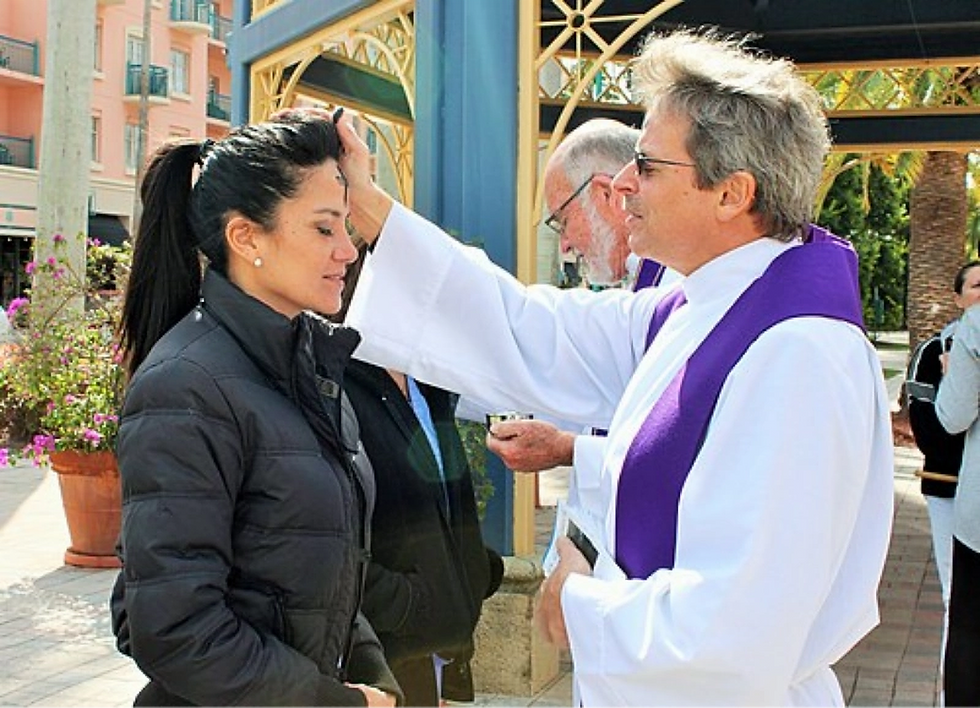
Two Anglican priests distribute ashes to passersby in the American city of Boca Raton as part of the Ashes to Go movement.   Permission details: This work is free and may be used by anyone for any purpose: 

When I first saw the ashes on my Roman Catholic friends’ foreheads as a boy, I was puzzled.


My Pentecostal friends called it one of the “weird things” Catholics do — one of those church customs that seemed foreign and confusing.


Many Christians still have that question today: Why ashes? Why a season of fasting? Why all this solemn preparation before Easter?


As we stand on the threshold of Ash Wednesday (Feb. 18, 2026) — the beginning of the Church’s Lent — these questions are worth re-exploring with both heart and mind.


What Ash Wednesday Actually Is


Ash Wednesday is the first day of Lent — a season of prayer, fasting, repentance, and spiritual renewal leading up to Easter. 


It is observed in Western Christianity (Catholic, Anglican, Lutheran, Methodist and others) with a ritual that many find striking: the marking of ashes on the forehead in the shape of a cross.


The ashes come from the burning of the previous year’s Palm Sunday palms, and the ritual is accompanied by the words:

“Remember that you are dust, and to dust you shall return.”


These words anchor us in two profound truths: human mortality and the need for reconciliation with God.


Ash Wednesday reminds us we are not immortal, and that our eternal destiny depends on reconciliation with our Creator.


Ashes in Scripture and Tradition


Before they became a liturgical sign, ashes appeared throughout Scripture as a symbol of mourning, humility, and repentance:


Abraham calls himself “dust and ashes” in the presence of God (Genesis 18:27).


Job repents “in dust and ashes” (Job 42:5–6).


Jesus refers to penitent sackcloth and ashes as a sign of turning toward God (Luke 10:13).


Yet the specific liturgical imposition of ashes didn’t emerge until the Middle Ages. 


Early sacramentaries describe Ash Wednesday as a penitential rite for all the faithful by the 10th century, and by the 11th century it was extended throughout the Western Church.


Every Ash Wednesday, then, we stand in a tradition stretching back many centuries — rooted in Scripture, shaped by the Church, and meant to draw us deeper into repentance and reliance on Christ.


Why Lent Is 40 Days


Lent isn’t 40 calendar days by accident. It’s a symbolic echo of Jesus’ 40 days in the wilderness, where he fasted and endured temptation before beginning his ministry.

The season invites believers to:


Fast from habitual comforts


Pray with renewed focus


Give alms and serve others


Turn away from sin and toward Christ


For many, that means giving up something (like sweets, media, or idle habits). For others, it means taking on something more — more prayer, more compassion, more disciplined study of Scripture.


Is It Weird? Or Holy?


When I encountered the liturgical traditions of Lent in the Protestant Episcopal Church, I began to see their meaning. 


Covering stained glass, omitting “alleluias,” and opening Holy Week with Ash Wednesday’s stark reminder of mortality gave shape and depth to the journey toward Easter joy.


The “weirdness” of ashes and fasting, when seen through the lens of Scripture and tradition, becomes a holy practice — one that awakens our souls to the grace and glory of the risen Christ.


An Invitation for 2026


As Ash Wednesday arrives this year on February 18, 2026, I invite you — whether you grew up with these traditions or have never experienced them — to reflect on this question:


What if Ash Wednesday and Lent aren’t just old church customs… but an invitation into a deeper walk with Christ?


May this season be for you a time of humility, renewal, and greater joy as we move from dust to resurrection hope.


Closing Prayer


O Lord our God, You formed us from the dust of the earthand breathed into us the breath of life.

As we enter this season of Lent, teach us to remember who we are and whose we are. Strip away what is false, hurried, and proud,
Two Anglican priests distribute ashes to passersby in the American city of Boca Raton as part of the Ashes to Go movement. Permission details: This work is free and may be used by anyone for any purpose:

When I first saw the ashes on my Roman Catholic friends’ foreheads as a boy, I was puzzled.


My Pentecostal friends called it one of the “weird things” Catholics do — one of those church customs that seemed foreign and confusing.


Many Christians still have that question today: Why ashes? Why a season of fasting? Why all this solemn preparation before Easter?


As we stand on the threshold of Ash Wednesday (Feb. 18, 2026) — the beginning of the Church’s Lent — these questions are worth re-exploring with both heart and mind.


What Ash Wednesday Actually Is


Ash Wednesday is the first day of Lent — a season of prayer, fasting, repentance, and spiritual renewal leading up to Easter.


It is observed in Western Christianity (Catholic, Anglican, Lutheran, Methodist and others) with a ritual that many find striking: the marking of ashes on the forehead in the shape of a cross.


The ashes come from the burning of the previous year’s Palm Sunday palms, and the ritual is accompanied by the words:

“Remember that you are dust, and to dust you shall return.”


These words anchor us in two profound truths: human mortality and the need for reconciliation with God.


Ash Wednesday reminds us we are not immortal, and that our eternal destiny depends on reconciliation with our Creator.


Ashes in Scripture and Tradition


Before they became a liturgical sign, ashes appeared throughout Scripture as a symbol of mourning, humility, and repentance:


  • Abraham calls himself “dust and ashes” in the presence of God (Genesis 18:27).

  • Job repents “in dust and ashes” (Job 42:5–6).

  • Jesus refers to penitent sackcloth and ashes as a sign of turning toward God (Luke 10:13).


Yet the specific liturgical imposition of ashes didn’t emerge until the Middle Ages.


Early sacramentaries describe Ash Wednesday as a penitential rite for all the faithful by the 10th century, and by the 11th century, it was extended throughout the Western Church.


Every Ash Wednesday, then, we stand in a tradition stretching back many centuries — rooted in Scripture, shaped by the Church, and meant to draw us deeper into repentance and reliance on Christ.


Why Lent Is 40 Days


Lent isn’t 40 calendar days by accident. It’s a symbolic echo of Jesus’ 40 days in the wilderness, where he fasted and endured temptation before beginning his ministry.

The season invites believers to:


  • Fast from habitual comforts

  • Pray with renewed focus

  • Give alms and serve others

  • Turn away from sin and toward Christ


For many, that means giving up something (like sweets, media, or idle habits). For others, it means taking on something more — more prayer, more compassion, more disciplined study of Scripture.


Is It Weird? Or Holy?


When I encountered the liturgical traditions of Lent in the Protestant Episcopal Church, I began to see their meaning.


Covering stained glass, omitting “alleluias,” and opening Holy Week with Ash Wednesday’s stark reminder of mortality gave shape and depth to the journey toward Easter joy.


The “weirdness” of ashes and fasting, when seen through the lens of Scripture and tradition, becomes a holy practice — one that awakens our souls to the grace and glory of the risen Christ.


An Invitation for 2026


As Ash Wednesday arrives this year on February 18, 2026, I invite you — whether you grew up with these traditions or have never experienced them — to reflect on this question:


What if Ash Wednesday and Lent aren’t just old church customs… but an invitation into a deeper walk with Christ?


May this season be for you a time of humility, renewal, and greater joy as we move from dust to resurrection hope.


Closing Prayer


O Lord our God, You formed us from the dust of the earthand breathed into us the breath of life.

As we enter this season of Lent, teach us to remember who we are and whose we are. Strip away what is false, hurried, and proud, and lead us again into truth, humility, and grace.


May our repentance be sincere, our fasting meaningful, our prayers honest, and our love for others deepened.


Prepare our hearts for the cross of Christ,that we may also be ready for the joy of His resurrection. Through Jesus Christ our Lord.Amen.


****************************


Come with us, O bless�d Jesus,

with us evermore to be;

and in leaving now thine altar,

O let us not leave thee!

Let thy sweet angel chorus

not cease their heavenly strain,

but in us, thy loving children,

bring peace, good will to men.


-----John Henry Hopkins. 1872


Comments


SIGN UP FOR ALL UPDATES, POSTS & NEWS

Thanks for submitting!

  • Grey Instagram Icon
  • Grey Facebook Icon
  • Grey Twitter Icon
bottom of page